4 min read
Essential light tips for healthy plants

Dylan Walker
Essential light tips for healthy plants
Light is the ultimate source of energy for your indoor plants. Getting the lighting right can transform weak, leggy stems into lush, thriving green foliage, while preventing issues like leaf burn and slow growth.
Here is a practical guide to understanding light requirements and giving your plants the exact exposure they need.
Understand your plant's light needs
Not all natural light is created equal. Recognizing the different types of light in your home is the first step toward proper care:
Direct sunlight: Sunlight hits the plant directly without obstacles. Best for cacti, succulents, and desert native species.
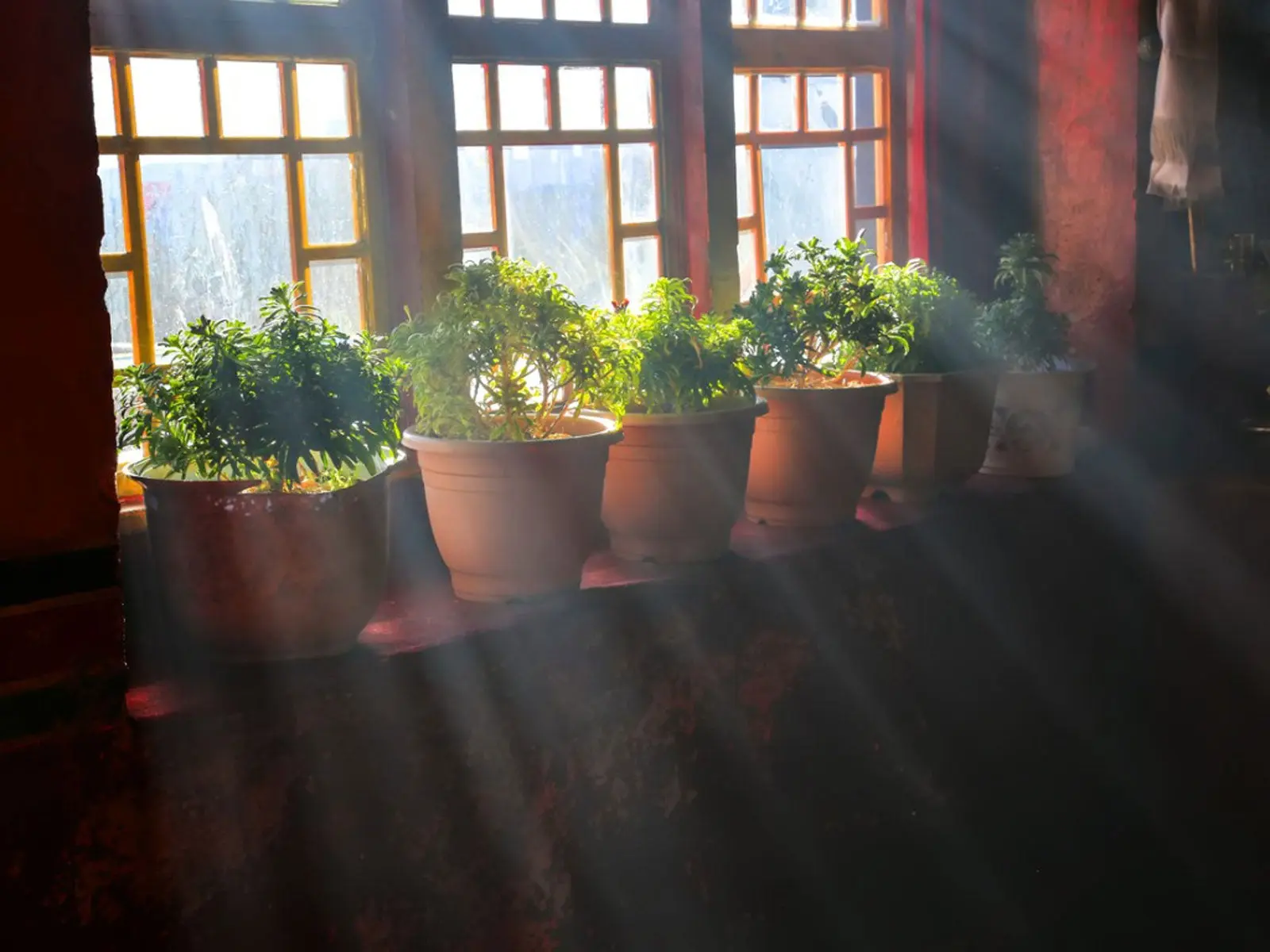
Bright, indirect light: Strong light that is filtered by a sheer curtain or positioned slightly away from a sunny window. Ideal for most tropical houseplants.
Low to medium light: Spots located further into a room or facing north. Perfect for resilient plants like snake plants, ZZ plants, and pothos.
Optimize your lighting setup
Making simple placement adjustments ensures every plant gets its fair share of natural energy.
Rotate Your Plants Regularly: Plants naturally grow toward their light source. Give your pots a quarter-turn every week to encourage balanced, even growth.
Keep Foliage Dust-Free: Accumulated dust blocks light from reaching plant leaves. Wipe down foliage with a damp cloth to maximize photosynthesis.
Watch for Signs of Stress: Scorched brown spots indicate sunburn from too much direct light, while stretched, leggy growth means the plant is starving for more light.
How PlantAI measures light conditions
Guessing whether a corner receives "bright indirect" or "low" light can be tricky. With PlantAI, you can use your phone's camera to instantly measure light levels in any room. The app evaluates the exposure and tells you precisely which plants will thrive in that exact spot.
Frequently asked questions
How does PlantAI help me check light levels?
PlantAI uses your smartphone camera to measure light intensity in real time, matching the readings against your plant's specific requirements.
Can indoor grow lights replace natural sunlight?
Yes, LED grow lights provide full spectrum illumination for rooms with low light. PlantAI can recommend optimal grow light distance and duration.
What are the signs of a plant not getting enough light?
Common signs include slow growth, unusually small new leaves, loss of leaf coloration, and long, thin stems stretching toward the nearest window.
Does sun exposure change with the seasons?
Yes, sun angles and intensity change throughout the year. PlantAI sends timely alerts when it is time to move your plants closer to or further from windows.
Final thoughts
Providing proper lighting is one of the most effective ways to boost your indoor garden's health. By matching each plant with its ideal spot and making quick seasonal tweaks, your home will remain vibrant and full of life. With smart light scanning from PlantAI, optimal lighting becomes effortless.
Share

